The Odyssey
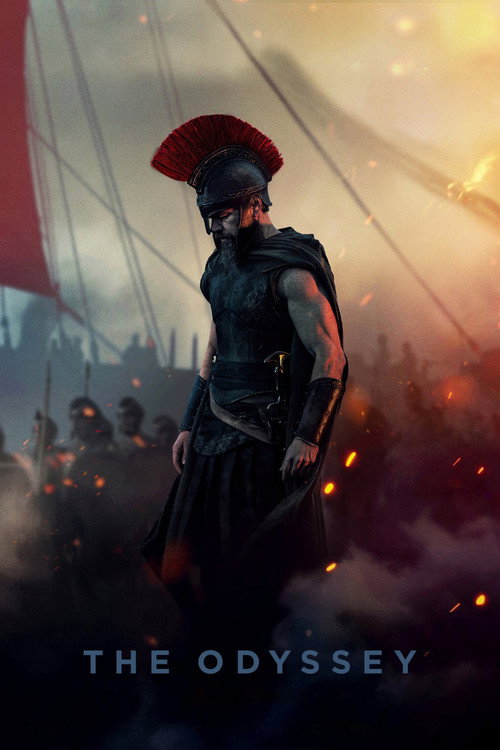
Based on the Ancient Greek epic. After ten years of war, King Odysseus sets sail for Ithaca, eager to reunite with his beloved. But his journey home is far more treacherous than the battlefield, as he must face deadly monsters and vengeful gods to survive.
📅 2026-07-03⭐ 4.0 / 10⏱️ 86 Mins
A Perilous Journey Home: Unpacking the Epic Scope of The Odyssey
Homer's "The Odyssey" is one of humanity's most enduring tales, a sprawling saga of resilience, divine wrath, and the longing for home. When adapted to the screen, filmmakers face the Herculean task of capturing its colossal scope and profound humanity. The film adaptation of The Odyssey embarks on this ambitious voyage, bringing the legendary King Odysseus's tumultuous ten-year journey home to vivid, often spectacular, life. It's a cinematic experience that plunges viewers into the heart of ancient Greek mythology, showcasing both the brutal beauty of its landscapes and the terrifying power of its gods.
Plot Overview
After the fall of Troy, King Odysseus, celebrated architect of the Trojan Horse, yearns for his beloved Ithaca and his family. The film wastes no time in illustrating that his homecoming will be no simple triumph. From the outset, The Odyssey establishes a tone of peril and divine interference. Odysseus's journey is plagued by vengeful deities, most notably Poseidon, angered by the blinding of his son, the Cyclops Polyphemus.
The narrative unfolds as a series of harrowing encounters, each more fantastical and dangerous than the last. Odysseus and his dwindling crew face the hypnotic allure of the Sirens, the deadly whirlpool of Charybdis and the six-headed monster Scylla, and the transforming magic of the sorceress Circe. He descends into the Underworld, consulting the blind prophet Tiresias, and endures years as a captive of the nymph Calypso. Each challenge tests his leadership, cunning, and ultimately, his humanity, stripping him of his men, his sanity, and precious time.
Meanwhile, back in Ithaca, his loyal wife Penelope fends off a horde of greedy suitors vying for her hand and his throne, while their son Telemachus grapples with his father's prolonged absence. The film masterfully interweaves these dual narratives, building tension as Odysseus races against time and fate to reclaim his kingdom and reunite with his family, leading to an inevitable, bloody confrontation upon his return.
Why You Should Watch
- Epic Visuals and Scope: The Odyssey is a grand spectacle, translating Homer's vibrant descriptions into breathtaking cinematography. The scale of the mythological creatures and the vastness of Odysseus's journey are truly captivating.
- Compelling Character Study: Beyond the monsters and gods, the film excels as a profound character study of Odysseus. We witness his evolution from a triumphant warrior to a humbled, weary survivor, driven by an unwavering love for his home.
- Rich Mythological Tapestry: For fans of ancient Greek mythology, is a feast. It brings to life many iconic figures and creatures, offering an accessible entry point into the rich pantheon of gods and heroes.
Top Cast

Myrom Kingery
Odysseus

Morgan Flanagan
Penelope

Patrick Byrnes
Telemachus

Dominic Keating
Antinous

Llana Barron
Athena

Jordan Iverach
Polites